
Ceiling lights & light fixtures: Designer ceiling lights for every room.
Flush mounts, semi-flush and statement fixtures from Slamp, Rotaliana, Umage and Top Light, picked for how they light a room: soft over the sofa, glare-free above the bed, bright over the counter and warm in the hallway.
Which ceiling light does what
Some ceiling lights light the whole room, some bounce light off the ceiling, and some point it right where you need it. Here are five types and what each one is good for. Each card takes you straight to the matching lights.
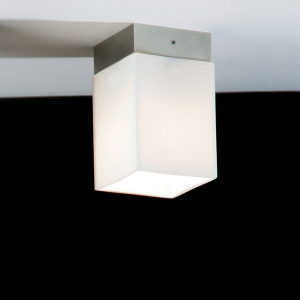
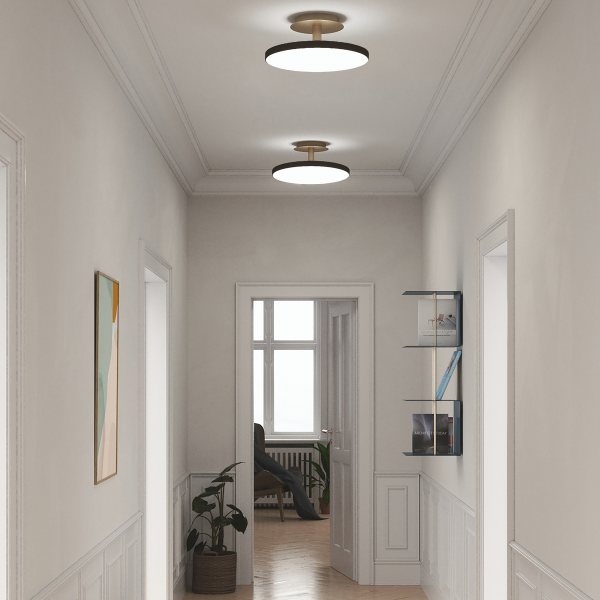 Ambient ceiling lightsWide, even light from a single fixture, for when one light has to carry the whole room.Explore →
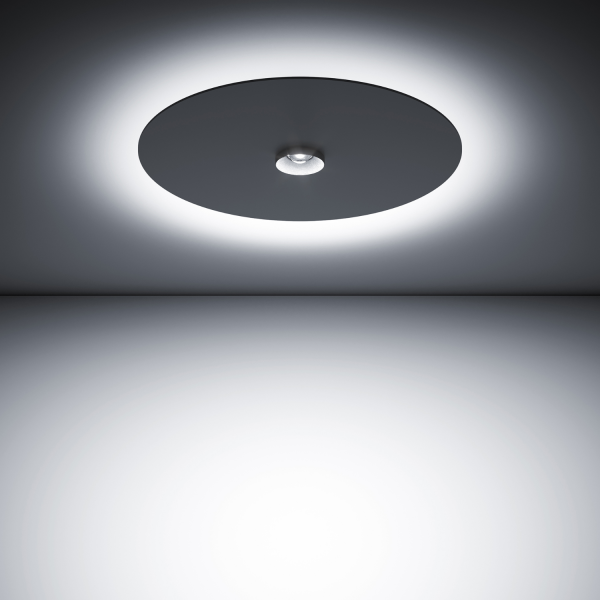 Indirect ceiling lightsSoft light bounced off the ceiling and walls. Pair it with a lamp if you want to read.Explore →
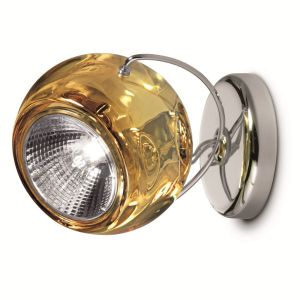
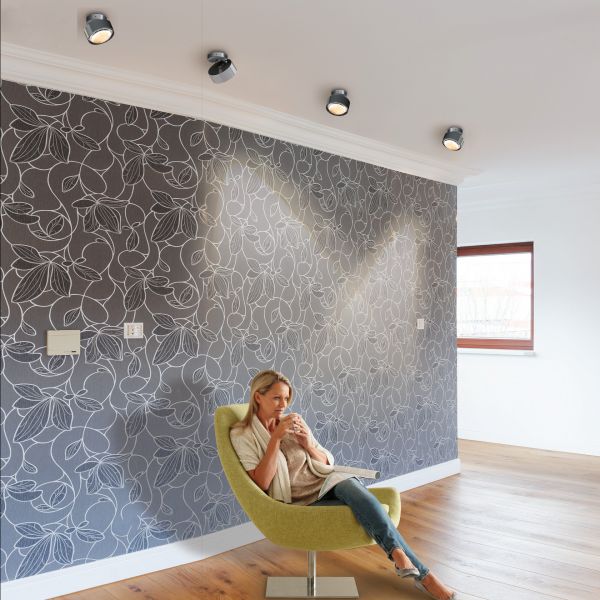 Ceiling spotlightsAdjustable spots that point light at art, the dining table or the kitchen counter.Explore →
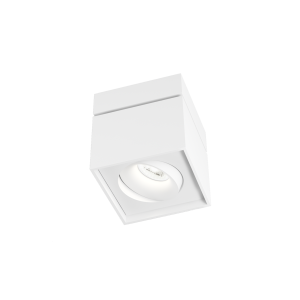
 Surface-mounted downlightsCompact fixtures mounted right on the ceiling, for when you can't recess a light.Explore →
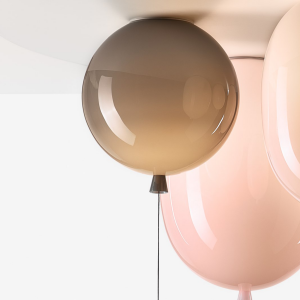
 Effect lightsSculptural pieces that become the focal point and add to your main light.Explore →
Which room are you lighting?
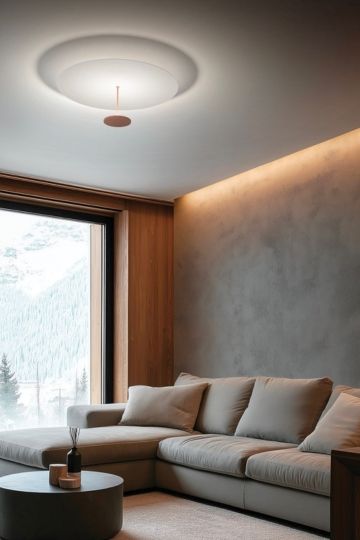 For the living roomSoft, even light across the whole roomExplore →
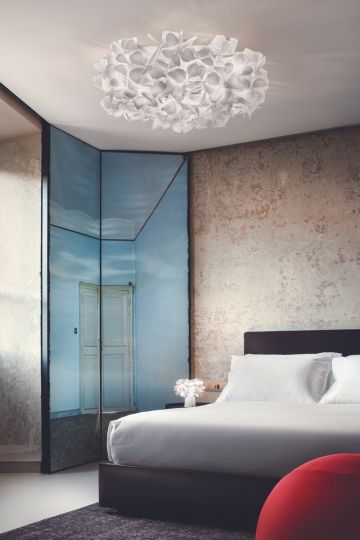 For the bedroomGlare-free light for when you're in bedExplore →
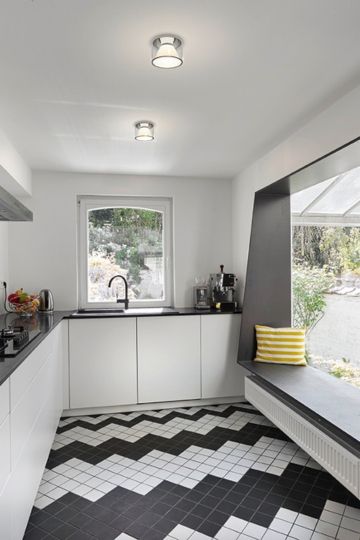 For the kitchenBright light on the counter, no shadowsExplore →
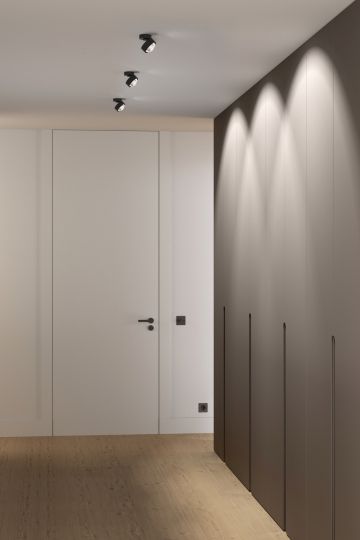 For the hallLight that makes a narrow hallway feel widerExplore →

Also for ceiling lights: Bath · Office · Pendant lights · Wall sconces
Not sure which ceiling light suits your room? Send Daniela a photo →














Know what you're after? Shop all ceiling lights and filter by brand, light color and finish.
Show me your ceiling.
You don't need to know which ceiling light you want. Tell me where the ceiling box is, how high the ceiling is and how you use the room, and I'll pick the light that fits.

Daniela Schär, lighting designer for over 15 years
- Send photosEmail me two or three photos of the room, taken looking up at the ceiling, plus the ceiling height and where the box is.
- I look at your roomI check the light, the materials and the layout: where a fixture would glare, where shadows fall and what the room needs at night.
- Get my picksYou get specific ceiling lights with sizes and placement, ready to order. If you already have a ceiling box, my recommendation is free. If you need new ones, I'll handle that as lighting design with its own quote.
Ceiling light fixtures, room by room
A ceiling light does a different job in every room. Here's what matters in the living room, the bedroom, the kitchen and the hallway, and the fixtures I'd pick for each.

1 of 4 · Living room
Living room ceiling lights: start with soft light
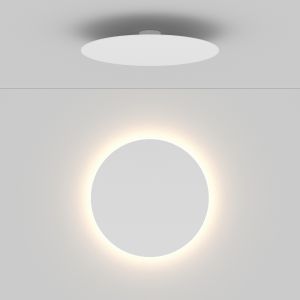
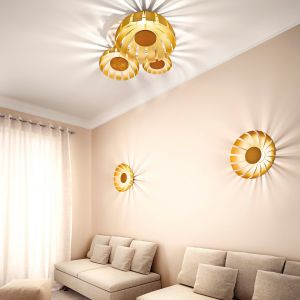
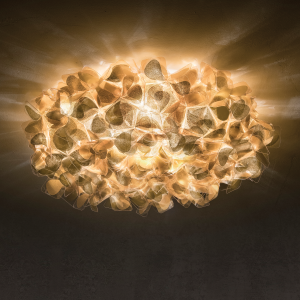
Your ceiling light shouldn't be the only light in the living room. Its job is soft, even light that opens up the room, while a lamp by the sofa handles reading. Go for 2700K on a dimmer. The Space spreads light evenly from an aluminum ring, the Stilo D bounces it off the ceiling, and the Odeon and the Olà add sparkle over a seating area or a table.
Our picks for this light


2 of 4 · Bedroom
Bedroom ceiling lights that won't glare
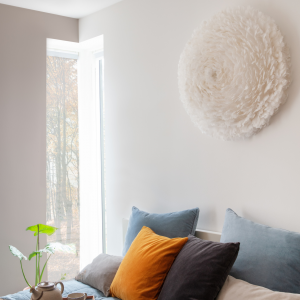
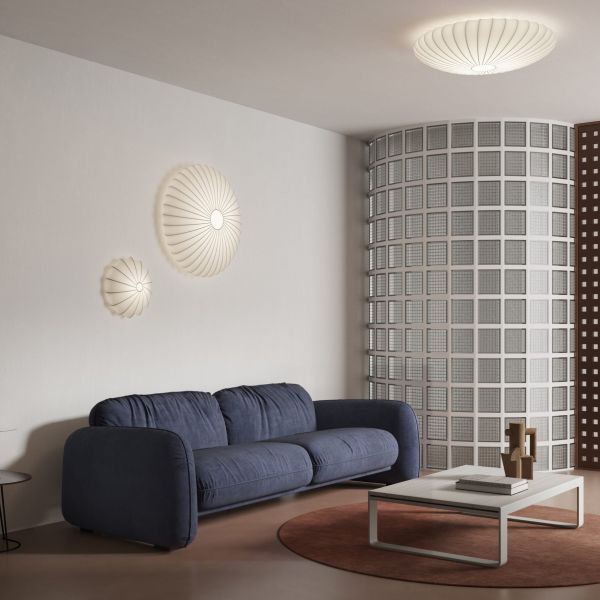
Lie down and you're looking right at the ceiling light, so it shouldn't glare. Look for a diffused shade that hides the bulb, warm light around 2700K and a dimmer. Slamp's Veli Foliage and Clizia glow softly through layered shades, the Eos Up diffuses its light through real goose feathers, and the Muse comes with a washable fabric cover. Put a switch by the bed so you don't have to get up.
Our picks for this light




3 of 4 · Kitchen
Kitchen ceiling lights: bright and shadow-free
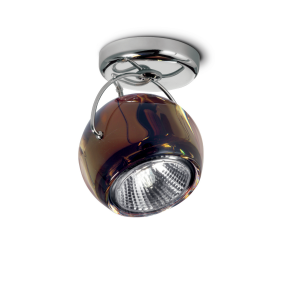
With one light in the middle of the kitchen, you work in your own shadow. Use at least two fixtures so the light hits the counter from the front, at about 46 lumens per square foot. Choose 3000K and CRI 90 or higher so food looks right. The Puk Maxx Move and the Solid 1.0 swivel toward your work, and the Drum Short and the Aruba light the rest of the room.
Our picks for this light


4 of 4 · Hallway and entry
Hallway ceiling lights: light the walls, too
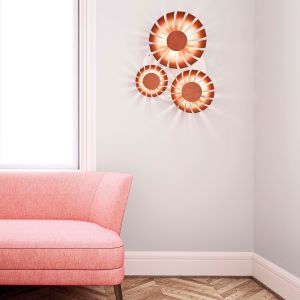
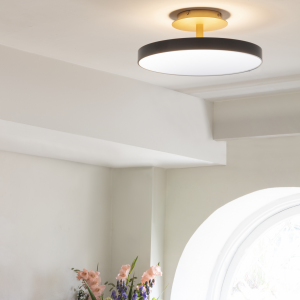
In a hallway, light on the ceiling and walls makes the space feel wider, and you shouldn't stare into a bare bulb as you walk through. Low ceiling? Go flat. Long hallway? Line up a few. The Collide H bounces light off the ceiling and is only about 4 inches deep, the Puk Eye shines up and down, and the Lamella softens it with a folded shade.
Our picks for this light


Ceiling lights, ready to ship
Display items and single pieces from our warehouse, marked down and ready to ship. You can still order every model new; the reduced price applies to these pieces only.
How to choose the right ceiling light
It depends on the room. In the living room you want soft light that opens up the space, in the bedroom light that doesn't glare, in the kitchen bright light from more than one fixture, and in the hallway a glow on the ceiling and walls. In living spaces, go for dimmable fixtures at 2700K, and figure out where the ceiling box goes first.
Pick a ceiling light in three steps
Stand in the middle of the room and look up: where's the power, and where do you sit, sleep and work?
- Place the fixtures
Sketch the room to scale and mark the ceiling box. One light in the center works in a living room, but over a counter it puts you in your own shadow, so place two fixtures closer to the wall. A track or a second box helps if the layout changes.
Rule of thumbAn extra ceiling box costs little now. Adding one later costs a lot: furniture moves, the box doesn't.
Quick checkStanding in your own shadow at the counter? Then the light is too far out in the room.
- Check glare and height
Check the light from where you'll actually be: lying in bed, walking down the hall. A shade, frosted glass or some uplight keeps it from glaring. Under a low ceiling, flat fixtures with plenty of output work best.
Rule of thumbLight-colored ceilings and walls reflect up to 85 percent of the light, so a fixture with some uplight gets more out of the room, and you'll notice the difference.
Quick checkLooking straight into a bulb when you lie down or walk by? Then that spot needs a shade or some uplight.
- Choose light color and dimming
In my lighting plans, living rooms, bedrooms and hallways get 2700K and kitchens 3000K. CRI 90 or higher keeps wood, fabric and skin tones looking natural. A dimmer lets the light follow your day, bright in the morning, low and calm at night.
Rule of thumbAt 60, your eyes need about four times as much light as at 20, so plan a little brighter and dim it down.
Before you buyBuilt-in LED or bulb: it only dims if the spec sheet says dimmable, and you need a matching wall dimmer.
How light shapes the evening
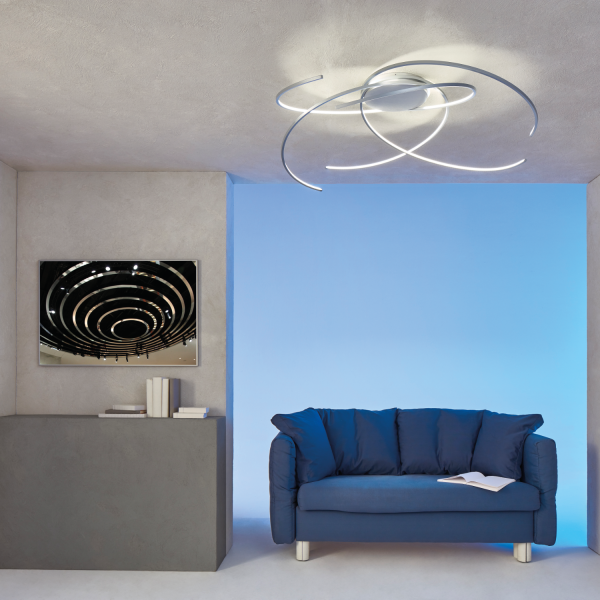
Ceiling light all the way up, plus daylight from the window.
Bright light helps you wake up and shows colors true.
The hallway light dimmed low, with a warm glow on the wall.
You aren't blinded when you walk in, and you can still see every step.
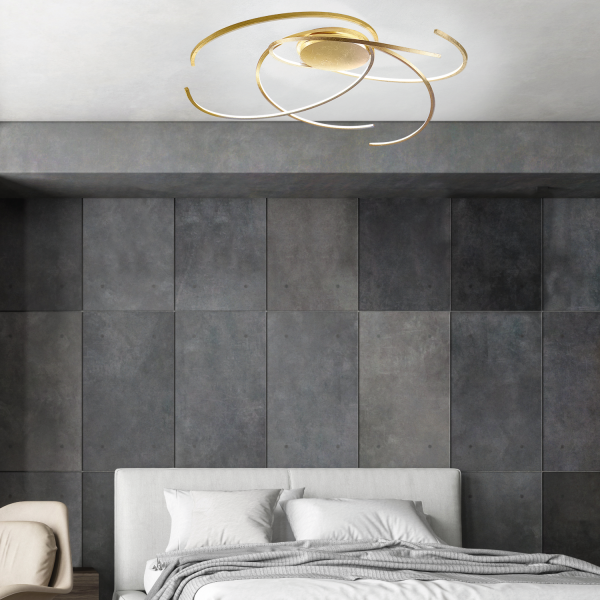
The ceiling light turned way down, plus a lamp on the nightstand.
You can still see, but the room feels smaller and calmer.
Would you rather plan it together? Personal lighting design →
Ceiling lights, briefly answered
Which ceiling light works in which room?
In the living room, a wide fixture with soft light makes the space feel bigger. In the bedroom, pick one with a shade or frosted glass so it won't glare. In the kitchen, use two or more fixtures for bright light without shadows, and in a hallway a flat fixture that lights the ceiling and walls makes it feel wider.
Flush mount or semi flush mount: what's the difference?
A flush mount sits right against the ceiling, which makes it the go-to for low rooms. A semi flush mount hangs a few inches down on a short stem, so the light spreads farther. Low ceiling: flush. Higher ceiling: semi flush.
What size ceiling light do I need?
That depends on the room and the ceiling height. Too big and it feels heavy, too small and it gets lost. Cut a cardboard circle the width of the fixture, hold it up where the light will go and step back. If it feels crowded, go one size down.
Are LED ceiling lights dimmable?
Only if the spec sheet says so. Those work with a matching dimmer; others won't dim smoothly and may flicker. The Space, the Collide H and the Drum Short are all dimmable, and you'll find the light color under each fixture's specs, too.
What's the best ceiling light for a low ceiling?
A flat fixture that sits close to the ceiling and still puts out plenty of light, like the Aruba or the Collide H. Skip anything that hangs down, since you need that headroom. Light aimed at the ceiling and walls makes a low room feel taller.
Which ceiling light won't glare in the bedroom?
One with a shade, frosted glass or some uplight, because you look straight up when you're in bed. Make it dimmable, around 2700K, and put a switch by the bed. The Clizia and the Veli Foliage glow softly through their shades, and both are dimmable.
What color temperature should a ceiling light be?
2700K in the living room, bedroom and hallway, 3000K in the kitchen. Look for CRI 90 or higher so wood, fabric and skin tones look natural, and stick to one color temperature per room so all your lights match.
How many ceiling lights does a room need?
One in the center is enough for a living room that has other lamps. Over a work surface like a kitchen counter, plan at least two so the light hits it from the front. In a long hallway, line up several and put them on a dimmer.
Can I get advice before I buy?
Yes. Email me two or three photos of the room, looking up at the ceiling, and tell me how you use it. I'm Daniela Schär, and I'll recommend a light for you personally. For an existing ceiling box that's free; new boxes are planned as lighting design with a separate quote.
Still unsure? Send Daniela photos for advice


